Side-by-Side vs Attached Duplexes: Which Layout Adds More Value?
Side-by-Side vs Attached Duplexes: Which Layout Adds More Value?
When you start to think about building or buying a duplex, one of the first major decisions is the layout. Is a pair of homes side by side a smart idea or should you consider another attached style? This will affect the property value, the ease of renting or selling it in the future, and even comfort of living in it.
A lot of people get confused by the terms so in this blog we are going to keep it simple and straight.
What Is a Side-by-Side Duplex?
Side-by-side duplex is the most familiar and common style. The two houses are next door to each other, with a long wall between them. They both face the street, generally. Each has its own front door, its own driveway (if the block is wide enough), and similar amount of outdoor space at the back or side.
Often from the street, it appears as a pair of matching or similar homes sitting side by side. Buyers and renters typically like this look of balance.
What Is an Attached Duplex?
An “attached duplex” is a more general term. That simply means the two houses share a wall. The most common type of attached duplex would be a side-by-side layout.
Sometimes people also say “attached” for front-and-back designs. In that case one home is on the front of the block facing the street, and the other home sits behind it. The two may still be connected by a wall or some other means but only the front home has distinct street presence.
So when you hear people talking about “side-by-side vs attached,” they’re usually talking about the classic side-by-side style versus other attached arrangements, especially front-and-back layouts.

How Layout Affects Value
Side-by-side layouts usually create more consistent and stronger overall value.
All homes have street frontage. This is key. Buyers and renters want homes that look independent and balanced when seen from the street. Valuers also tend to see the two sides as having roughly equal value. That balance allows you to more easily rent both sides out at similar rates, or sell them for similar prices in the future.
And the costs of building are often lower. They share one long wall, one concrete slab and one roof structure, which saves money over building two completely separate homes. This layout works well and is popular on a typical block in places like Western Sydney that has sufficient width (usually 15 metres or more).
Front-and-back or other attached layouts still have their place.
These work better on skinnier or deeper blocks where a side-by-side design is just not going to fit. Back home is often more private, and sometimes a bigger backyard. However, the back house usually has less curb appeal. It may have a longer shared driveway and is usually priced 5 to 10 per cent less than the front house. This discrepancy can reduce the overall value of your property when you eventually sell both sides. It can also make future subdivision slightly more difficult.
Fully detached duplexes (two separate buildings with a space between them) afford the most privacy and can feel most like freestanding houses. Buyers often enjoy this independence. The downside is a higher cost of building and the need for a wider or larger block. Extra land, extra walls costs more and the value for money equation is not always better.
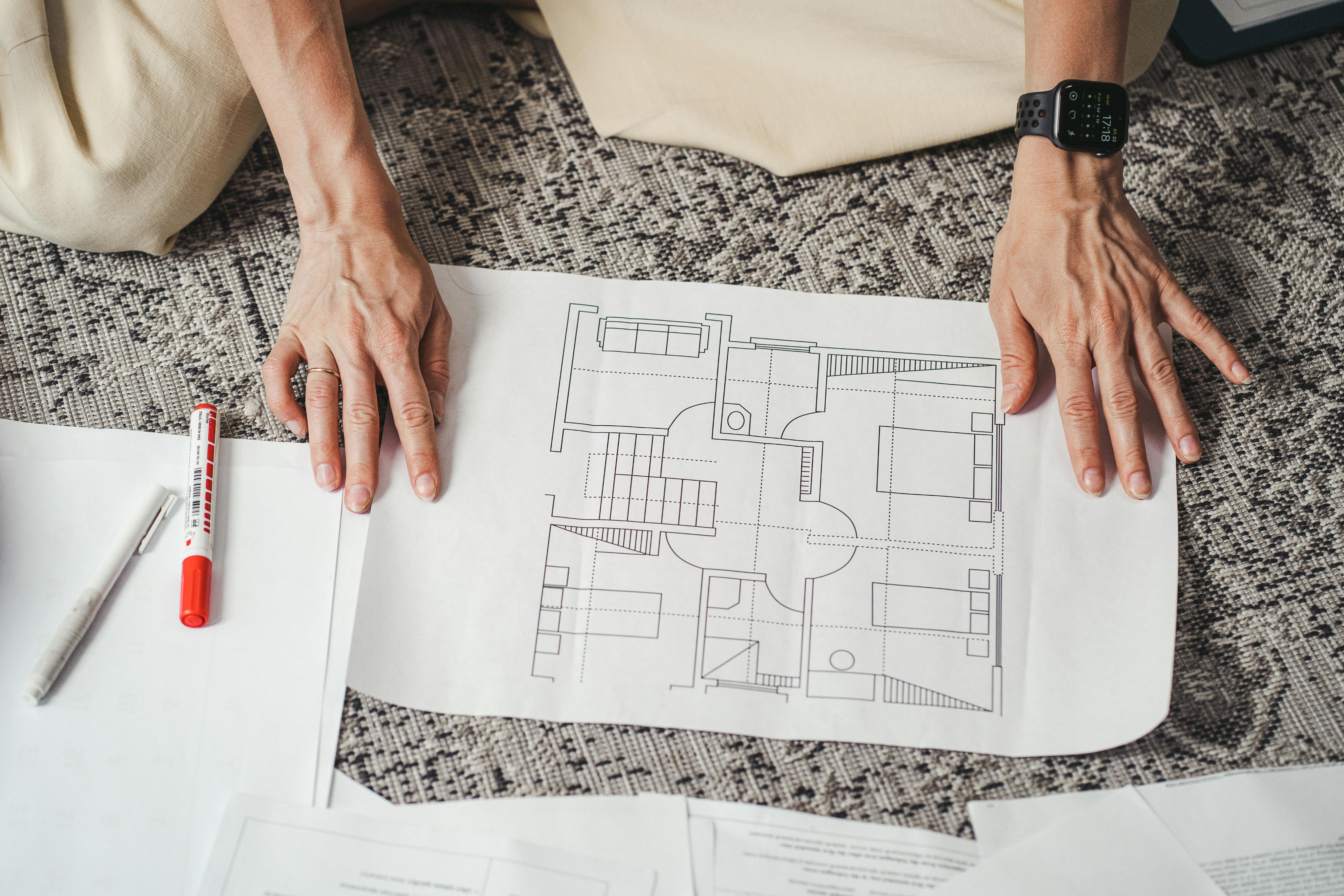
Other Factors That Influence Value
Several practical points come into play across Australia:
- Street frontage – Homes that face the street generally attract stronger interest and better prices.
- Equal appeal – When both units feel similar in quality and presentation, renting and selling become easier.
- Block size and shape – Wide blocks suit side-by-side. Narrow or long blocks often force a front-and-back solution.
- Title options – Side-by-side designs are frequently easier to subdivide into two Torrens titles (separate land titles). Many buyers prefer this because it avoids strata fees and body corporate rules.
- Local council rules – Councils across Sydney and other cities look closely at street appeal, setbacks, parking, and how the design fits the neighbourhood. A layout that respects these rules moves through approval more smoothly.
- Rental demand – Families and long-term tenants often prefer homes that feel private and independent. Side-by-side layouts usually score well here.
In most situations, a well-designed side-by-side duplex on a suitable block delivers more reliable value than other attached arrangements. It balances building cost, market appeal, and future flexibility better than most alternatives.
Of course, the “best” choice always depends on the specific block of land, your personal goals (live in one side and rent the other, sell both, or hold long-term), and the planning rules that apply to that suburb.
Frequently Asked Questions
What’s the most popular duplex layout in Sydney right now?
Side-by-side still is the clear favourite, particularly in Western Sydney and growth corridors because both homes get street frontage and similar market appeal.
Does a side-by-side duplex generally add more resale value than a front-and-back style?
Yeah, mostly. The equal street presence and balanced valuation tend to support a higher combined resale number.
Is it easier to subdivide a side-by-side duplex?
Often yes. The shared central wall creates a clean and logical boundary line for Torrens title subdivision in many council areas.
Which layout offers better privacy?
Front-and-back or fully detached layouts can feel more private for the rear home. Side-by-side homes rely on good acoustic treatment of the shared wall to keep noise down.
What size block do I need for a side-by-side duplex?
Most councils prefer around 15 metres of frontage and a total area of roughly 450–600 square metres, depending on the zoning. Narrower blocks usually need a different approach.
Will banks and valuers treat both sides equally?
With a well-designed side-by-side layout they usually do. With front-and-back designs, the rear unit is often valued lower.
Are construction costs lower for side-by-side designs?
Yes. Sharing walls, roof structure, and many services helps keep the build cost more efficient compared with separate buildings.
Can I live in one side and rent the other?
Absolutely. This is one of the most common strategies. A balanced side-by-side layout makes it easier because both homes appeal to a similar type of tenant.
Does the layout affect rental yield?
Yes. Homes with better street appeal and independence generally attract stronger tenants and more stable rents over time.
Choosing the right layout is one of the most important decisions when planning a duplex. A design that suits the land and meets local market expectations will always perform better than a forced solution that fights against the block. Taking time to get the layout right can make a noticeable difference to the final value and to how enjoyable the homes are to live in or rent out.
If you are thinking about your own project, it can be worth speaking with experienced local professionals who specialise in duplex design Sydney property owners often turn to when they want a layout that truly maximises long-term value.


Comments
Post a Comment